
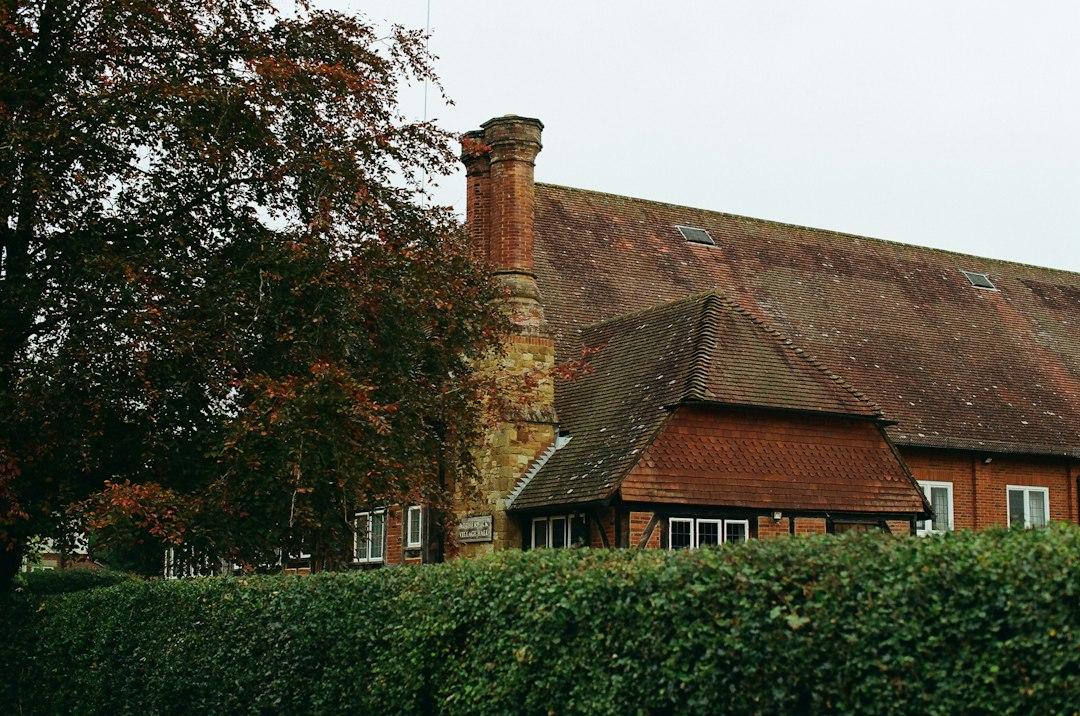
Masonry Repair for Chimneys Nobody Watched All Winter
When Is the Next Stay?
Say when the house was last used and who holds the key. We ring back to set a visit window before you arrive.
On the Tolliver Checklist
Brick does not rest when the house does. Winter rain soaks open joints, summer heat bakes them, and by the next visit a few bricks have come loose. We grind out failed mortar, repoint with a matched mix, replace broken brick and can add a breathable water repellent. The work is quoted in writing after the whole stack has been looked at.
What the Weather Does to Brick on a Closed House
Brick chimneys lose ground in small steps. Mortar joints near the top take the most weather, and over the years rain and heat work them loose until the joints are recessed and sandy. Water then gets into the brick, and in the hotter, drier months the brick dries and the salts in it come to the surface as a white crust. Brick faces can flake or pop off, which masons call spalling. Cracks follow the mortar lines in a stair step pattern, especially after a quake. On a house that is lived in, someone usually notices a brick on the roof or a crumb of mortar on the patio. On a second home or a rental, the first person to notice is often a roofer, a buyer's inspector or a guest who sees daylight between bricks. By then the repair is larger than it had to be. We look at the full chimney from the roof down, including the part inside the attic if the chimney passes through it.
The usual repairs come in three sizes. Repointing grinds out the loose mortar to a set depth and packs in new mortar, matched in color and strength to the old. Brick replacement takes out cracked or spalled bricks and sets new ones in the same pattern. Resetting the top courses takes down the loose brick above the roofline and relays it, often together with a new crown. All three need dry weather to cure, which suits seasonal homes: the house is usually empty in the dry months, and the work can be scheduled without anyone living around it. Each job is quoted in writing after an inspection, since the cost depends on how much brick is involved, how tall the chimney is and what is under the loose layer. You see photos of every section in the quote, so you know exactly what you are approving before any work starts.
Masonry Work and the Quake Question
In the foothill cities the quake question is part of every masonry visit. Brick chimneys built before modern reinforcement rules carry their weight on mortar alone, and mortar that has washed out holds less. The 1987 Whittier Narrows and 1991 Sierra Madre earthquakes both left cracked and broken chimneys in this part of the San Gabriel Valley, and many houses still carry repairs from those years, some sound and some not. When we repoint or replace brick, we also note the condition of the chimney above the roofline, since that is the part most likely to fall in a strong shake. If the top section is loose enough that repointing would only hide it, we say so, and lay out the options: rebuild the top courses, add bracing, or take the chimney down to the roofline and finish it there. Each is quoted in writing with photos, so the choice is made on what the brick shows.
For owners who are not on site, we write the masonry quote so it can be read without a visit. It names each section of the chimney, shows a photo of each, and marks it as sound, needing repointing, needing brick replacement or needing a rebuild. The quote lists what is included, from roof protection to cleanup and the final photos. It also says what is not included, such as a crown or flashing repair that would make sense at the same time but can be done separately. Once you approve, we schedule the work for the empty stretch of the year and tell whoever holds the key when we will be there. When it is done, you get photos from the same angles as the quote, so the file shows the before and the after side by side. Tolliver Chimney Works handles masonry work across Azusa, Arcadia, West Covina and Monrovia.
How Tolliver Chimney Works Handles It
Cap to Firebox
Every line checked in the same order
Key Holder Access
Neighbor, manager or lockbox
Prices on Paper
Written quote before any repair
Photo Report
Sent to the owner, wherever they are
Chimney Masonry Repair near you
Pick a town to see the houses we open there and what the checklist looks for.
CA
Chimney Masonry Repair in Azusa
Two of every three houses here predate 1980, and close to half the homes are rentals. When a unit turns over, we walk the flue, the firebox and the cap before the new tenant lights anything, so old soot and nesting stay out of their first winter.
See the town checklistCA
Chimney Masonry Repair in West Covina
Former orchards became tract streets after the war, so a typical house here is well past fifty. One closed up for a season or between leases gets our full pre-fire list: cap, damper, flue liner and any gas logs that sat unused.
See the town checklistCA
Chimney Masonry Repair in Arcadia
Ranch-era brick and block chimneys fill streets like Upper Rancho and Santa Anita Oaks, many converted to gas logs. A log set left off for months needs its pilot, burner ports and vent checked before the owner returns and lights it.
See the town checklistCA
Chimney Masonry Repair in Monrovia
Roughly one house in four here is older than 1950, many of them Victorian or Craftsman places near Old Town with tall brick flues. When one sits empty, birds and debris settle in the smoke chamber, so we clear and inspect before anyone lights a fire.
See the town checklistMore Tolliver Jobs
Chimney Sweep
Brushing and vacuuming for a flue that sat unused, clearing soot, nesting and debris before the first fire of the season.
See the job →Chimney Inspection
A visual check of cap, crown, flue, damper and firebox for a house that sat closed, done before anyone lights a fire.
See the job →Chimney Repair
Repairs for the cracks, rust and gaps a chimney picks up while the house sits empty through rain, heat and wind.
See the job →Fireplace Inspection
A close check of the firebox, damper, hearth and doors after months of disuse, with photos for an owner who is away.
See the job →Fireplace Repair
Firebox brick, mortar, damper and door repairs done between visits, so the fireplace works when you arrive for the season.
See the job →Chimney Level 2 Inspection
A camera run through the whole flue, with attic and roof sections, for sales, quakes, fuel changes or smoke trouble.
See the job →Chimney Cap Installation
A screened cap that keeps animals, leaves and rain out of a flue that goes months without anyone watching it.
See the job →Chimney Flashing Repair
Roofline leaks traced and sealed, because nobody is inside an empty house to notice a stain until the damage spreads.
See the job →Chimney Rebuilds
A chimney too far gone to patch, taken down to sound brick and rebuilt while the house stands empty.
See the job →Fireplace Cleaning
Ash, soot, cobwebs and droppings cleared from a firebox that sat unused, with the doors and screen left clean.
See the job →Gas Fireplace Cleaning
Pilot, burner, logs and glass cleaned on a gas fireplace left off for months, then tested before anyone uses it.
See the job →Gas Fireplace Repair
Pilots that will not relight after months off, sticking valves and failed remotes, traced with a meter and repaired.
See the job →Fireplace Remodel
A worn fireplace refaced or converted for a house used part of the year, with finishes that need little upkeep.
See the job →Fireplace Inserts
Gas, wood or pellet inserts set into an existing fireplace, each with a stainless liner run to the top of the chimney.
See the job →Pellet Stove Repair
Pellet stoves that fail to restart after a season off, traced to stale pellets, igniters, augers, sensors or vents.
See the job →Wood Stove Repair
Gaskets, glass, firebrick and baffles renewed on a stove that sat cold, so it seals and burns properly again.
See the job →Gas Logs
Gas log sets that replace wood in an existing firebox, so there is nothing to store and nothing to sweep out after a stay.
See the job →Chimney Seismic Retrofit
Bracing, straps or a lighter rebuild for a brick chimney, planned after an inspection shows how the stack is tied in.
See the job →Chimney Crown Repair
Cracks in the concrete top of the chimney sealed or the top recast, before rain works into a house nobody is watching.
See the job →Dryer Vent Cleaning
Lint and nests cleared from the dryer duct, from the back of the machine to the outside cap, between tenants or guests.
See the job →Chimney Liner Installation
A stainless liner run through a cracked or unlined flue, sized for the fireplace, insert or stove it serves.
See the job →Chimney Leak Repair
Water coming in around the chimney traced to cap, crown, brick or flashing and fixed at its source.
See the job →Chimney Waterproofing
A breathable water repellent applied to sound brick, so rain stays out of a chimney that goes unwatched for months.
See the job →Chimney Damper Repair
Dampers rusted shut or stuck open after a closed season, freed, rebuilt or swapped for a damper that seals at the top.
See the job →Chimney Chase Cover
A new stainless top for a framed, sided chimney whose old pan has rusted through or started to hold water.
See the job →