
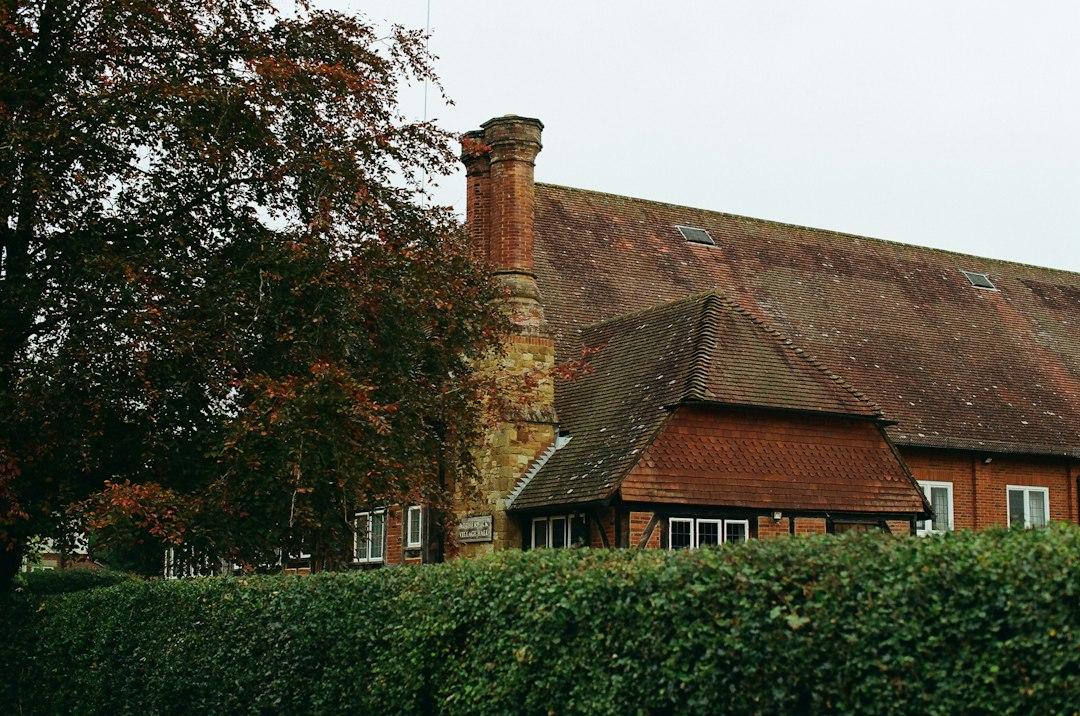
Chimney Waterproofing Before the House Closes for Winter
When Is the Next Stay?
Say when the house was last used and who holds the key. We ring back to set a visit window before you arrive.
On the Tolliver Checklist
Brick drinks rain. On a house that sits empty through winter, soaked brick pushes salts to the surface, loosens mortar and stains the inside wall. We repair open joints first, then apply a breathable water repellent that lets vapor out while keeping rain from soaking in. Waterproofing is quoted in writing once we have checked the masonry is sound.
Why Brick Needs Help Shedding Water
Brick looks solid, but it is full of small pores, and the mortar between bricks is more porous still. In a heavy rain, a brick chimney soaks up water, and that water moves inward toward the flue and downward toward the roof line. Over time it washes salts to the surface as a white crust, flakes the faces off the brick, softens the mortar and rusts anything metal it reaches, from the damper to the flashing. On a chimney that is in regular use, a little water dries out between storms. On a chimney over an empty house, with the fireplace unused and no heat in the flue, the brick stays damp longer, and the damage moves faster. A waterproofing treatment slows the water down. It is not paint and not a sealer that closes the brick; it is a repellent that soaks into the surface, beads the rain off and still lets water vapor out.
The product matters. A sealer that traps moisture can make things worse, holding water inside the brick until the face pops off. We use breathable, water based repellents made for masonry chimneys, applied to clean, dry brick so they soak in evenly. Before any treatment, we look at the chimney for the problems a coating cannot fix: cracked crowns, open mortar joints, failed flashing and a missing cap. Those come first, because a repellent over a crack only hides the crack. The written quote lists the repairs, if any, then the waterproofing as a separate line, so you can see what each one does. Waterproofing is quoted in writing after an inspection, since the cost depends on the size of the chimney, the state of the brick and how many sides need it.
Timing Waterproofing for a Seasonal House
Waterproofing needs dry brick and a few dry days after it goes on, which in this part of the valley points to late spring through early fall. That window also suits most second homes, since the house tends to be empty or lightly used, and the work can be done without anyone needing the fireplace. The usual order is inspection, then repairs, then a wait for any new mortar or crown to cure, then the treatment. We plan the whole sequence with you so it finishes before the wet months, and if you are away, each stage gets a photo and a short note. For rentals, the work is outside and on the roof, so a tenant can stay in the house, and we only need to agree on the dates and roof access with the property manager before we start.
A treatment wears over time, especially on the sides that face the weather. Instead of a fixed schedule, we look at the brick at each inspection and tell you when it is time to reapply. The sign is plain once you know it: rain soaks in and darkens the brick instead of beading off. Each visit adds to the file for the house, so you have a record of the repairs, the treatment and the dates. That helps if you sell the house, since a buyer's inspector will ask about water on the chimney. Tolliver Chimney Works waterproofs chimneys across Azusa, Monrovia, Arcadia and West Covina, always after an inspection and any repairs, and always with the work and the product listed in the written quote, so you know exactly what went onto the brick.
How Tolliver Chimney Works Handles It
Cap to Firebox
Every line checked in the same order
Key Holder Access
Neighbor, manager or lockbox
Prices on Paper
Written quote before any repair
Photo Report
Sent to the owner, wherever they are
Chimney Waterproofing near you
Pick a town to see the houses we open there and what the checklist looks for.
That town is not on the list. Try a neighboring one.
More Tolliver Jobs
Chimney Sweep
Brushing and vacuuming for a flue that sat unused, clearing soot, nesting and debris before the first fire of the season.
See the job →Chimney Inspection
A visual check of cap, crown, flue, damper and firebox for a house that sat closed, done before anyone lights a fire.
See the job →Chimney Repair
Repairs for the cracks, rust and gaps a chimney picks up while the house sits empty through rain, heat and wind.
See the job →Fireplace Inspection
A close check of the firebox, damper, hearth and doors after months of disuse, with photos for an owner who is away.
See the job →Fireplace Repair
Firebox brick, mortar, damper and door repairs done between visits, so the fireplace works when you arrive for the season.
See the job →Chimney Level 2 Inspection
A camera run through the whole flue, with attic and roof sections, for sales, quakes, fuel changes or smoke trouble.
See the job →Chimney Cap Installation
A screened cap that keeps animals, leaves and rain out of a flue that goes months without anyone watching it.
See the job →Chimney Flashing Repair
Roofline leaks traced and sealed, because nobody is inside an empty house to notice a stain until the damage spreads.
See the job →Chimney Masonry Repair
Brick and mortar repairs for a stack that weathers through empty months, repointed before rain and heat widen the damage.
See the job →Chimney Rebuilds
A chimney too far gone to patch, taken down to sound brick and rebuilt while the house stands empty.
See the job →Fireplace Cleaning
Ash, soot, cobwebs and droppings cleared from a firebox that sat unused, with the doors and screen left clean.
See the job →Gas Fireplace Cleaning
Pilot, burner, logs and glass cleaned on a gas fireplace left off for months, then tested before anyone uses it.
See the job →Gas Fireplace Repair
Pilots that will not relight after months off, sticking valves and failed remotes, traced with a meter and repaired.
See the job →Fireplace Remodel
A worn fireplace refaced or converted for a house used part of the year, with finishes that need little upkeep.
See the job →Fireplace Inserts
Gas, wood or pellet inserts set into an existing fireplace, each with a stainless liner run to the top of the chimney.
See the job →Pellet Stove Repair
Pellet stoves that fail to restart after a season off, traced to stale pellets, igniters, augers, sensors or vents.
See the job →Wood Stove Repair
Gaskets, glass, firebrick and baffles renewed on a stove that sat cold, so it seals and burns properly again.
See the job →Gas Logs
Gas log sets that replace wood in an existing firebox, so there is nothing to store and nothing to sweep out after a stay.
See the job →Chimney Seismic Retrofit
Bracing, straps or a lighter rebuild for a brick chimney, planned after an inspection shows how the stack is tied in.
See the job →Chimney Crown Repair
Cracks in the concrete top of the chimney sealed or the top recast, before rain works into a house nobody is watching.
See the job →Dryer Vent Cleaning
Lint and nests cleared from the dryer duct, from the back of the machine to the outside cap, between tenants or guests.
See the job →Chimney Liner Installation
A stainless liner run through a cracked or unlined flue, sized for the fireplace, insert or stove it serves.
See the job →Chimney Leak Repair
Water coming in around the chimney traced to cap, crown, brick or flashing and fixed at its source.
See the job →Chimney Damper Repair
Dampers rusted shut or stuck open after a closed season, freed, rebuilt or swapped for a damper that seals at the top.
See the job →Chimney Chase Cover
A new stainless top for a framed, sided chimney whose old pan has rusted through or started to hold water.
See the job →