
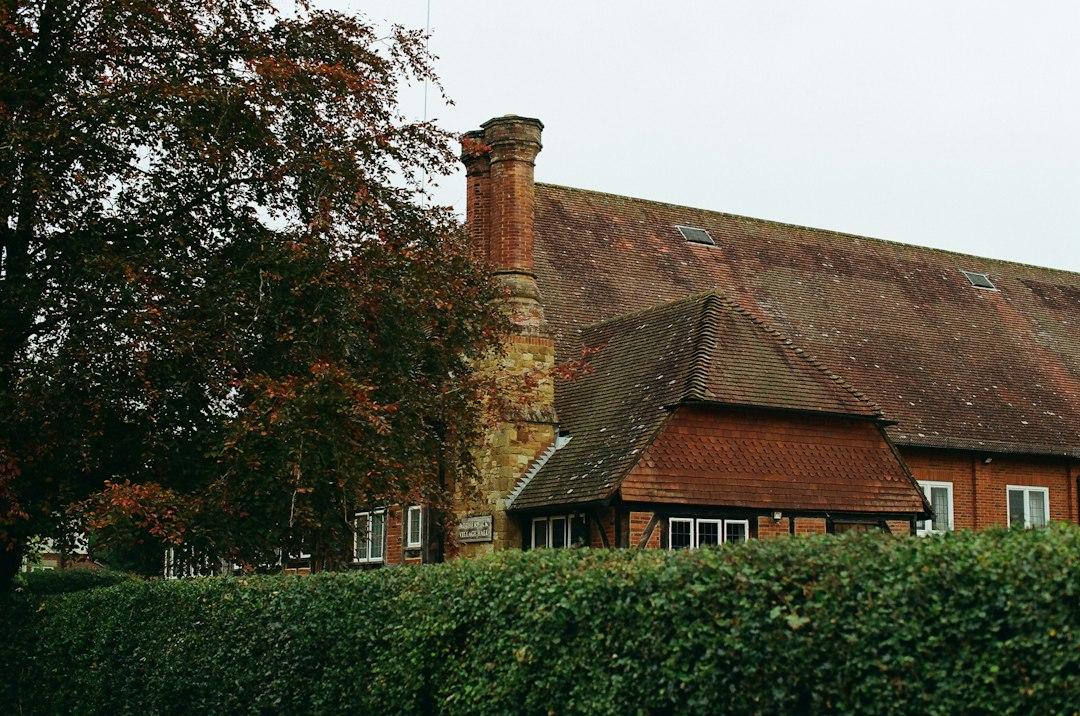
A Chimney Cap for the Months Nobody Is Home
When Is the Next Stay?
Say when the house was last used and who holds the key. We ring back to set a visit window before you arrive.
On the Tolliver Checklist
An open flue on an empty house is an invitation. Birds nest, squirrels drop in, and every storm runs straight down to the damper. Tolliver fits stainless or copper caps with mesh that stops animals and embers, sized to the flue and fastened against Santa Ana gusts. Installed caps are quoted after we measure. Size, metal and how many flues one cover has to span set the price.
Why Empty Houses Need a Cap More Than Most
Animals look for quiet, dark spaces with a warm shelf, and an uncapped chimney on a house that has been closed for months is exactly that. Birds build on the smoke shelf and the damper plate in spring. Raccoons climb down and raise young in the smoke chamber. Squirrels drop nesting material into the flue and then cannot climb back out. In a lived in house, someone hears scratching and calls. In a second home or a vacant rental, the first sign is often the smell, or a nest that catches when the next guest lights a fire. A cap closes the top with a metal hood and a mesh screen sized to keep animals out and let smoke through. It also keeps rain off the smoke shelf and damper, where standing water rusts metal and softens mortar during the wet months. And in the foothills, where the Santa Ana winds carry embers off brush fires, the screen works as a spark arrestor too, stopping embers from your own fire landing on a dry roof or in a neighbor's yard.
We fit caps to the flue, not the other way around. A single clay flue tile takes a slip on cap that clamps to the tile. A chimney with two or more flues, or a tile that sits too low, usually needs a cap that covers the whole crown and bolts to it. Factory built chimneys take a cap made for that brand, since the wrong one can change the draft and the clearances. We measure on the roof, check the crown under the cap for cracks, and photograph the top before and after. Tolliver Chimney Works measures before it quotes a chimney cap. How big the flues are, how many there are and which metal you choose all change that quote. Stainless steel lasts longest and costs more up front; galvanized costs less and suits a house you plan to sell soon. A cracked crown shows up in the photos and in the report too; fitting a fresh cap over broken concrete just hides it for a while. That repair is quoted in writing separately, so you can choose to do both together or the cap alone.
The Closing Visit and the Opening Visit
If you close the house for part of the year, the cap is one item on the closing list we run before you leave. We check that the cap is there and sits square, since a cap tilted by wind leaves a gap a bird will find. We close the damper so the house is not losing cooled air up the flue, and so anything that slips past the top lands on metal, not in the room. On a gas fireplace, we turn the pilot off or leave it on, as you prefer, and note which, so whoever opens the house next knows what to expect. We clear the ash out of the firebox, since old ash holds moisture and smells once the house warms up. For a rental, the same list runs at turnover, and the property manager gets a copy. The closing visit can share a trip with an inspection or a sweep, so the house shuts with every item done and photographed for your file.
Opening the house runs the same list in reverse. Before anyone lights a fire, we look down past the cap for anything that got in, check the screen for damage from wind or a falling branch, open the damper and confirm it stays open, and for gas units relight the pilot and watch the flame. If the house went through fire season with an old cap, we look at the screen closely, since fine mesh can clog with soot and leaves and choke the draft, and coarse or torn mesh lets embers out. Cap work on seasonal homes usually falls into three groups: no cap at all, a cap that blew off or rusted through, and a cap that was the wrong size from the start. All three are fixed in one roof visit. Send us the house address and the months it will be empty, and we will plan the visit around them.
How Tolliver Chimney Works Handles It
Cap to Firebox
Every line checked in the same order
Key Holder Access
Neighbor, manager or lockbox
Prices on Paper
Written quote before any repair
Photo Report
Sent to the owner, wherever they are
Chimney Cap Installation near you
Pick a town to see the houses we open there and what the checklist looks for.
CA
Chimney Cap Installation in Azusa
Two of every three houses here predate 1980, and close to half the homes are rentals. When a unit turns over, we walk the flue, the firebox and the cap before the new tenant lights anything, so old soot and nesting stay out of their first winter.
See the town checklistCA
Chimney Cap Installation in West Covina
Former orchards became tract streets after the war, so a typical house here is well past fifty. One closed up for a season or between leases gets our full pre-fire list: cap, damper, flue liner and any gas logs that sat unused.
See the town checklistCA
Chimney Cap Installation in Arcadia
Ranch-era brick and block chimneys fill streets like Upper Rancho and Santa Anita Oaks, many converted to gas logs. A log set left off for months needs its pilot, burner ports and vent checked before the owner returns and lights it.
See the town checklistCA
Chimney Cap Installation in Monrovia
Roughly one house in four here is older than 1950, many of them Victorian or Craftsman places near Old Town with tall brick flues. When one sits empty, birds and debris settle in the smoke chamber, so we clear and inspect before anyone lights a fire.
See the town checklistMore Tolliver Jobs
Chimney Sweep
Brushing and vacuuming for a flue that sat unused, clearing soot, nesting and debris before the first fire of the season.
See the job →Chimney Inspection
A visual check of cap, crown, flue, damper and firebox for a house that sat closed, done before anyone lights a fire.
See the job →Chimney Repair
Repairs for the cracks, rust and gaps a chimney picks up while the house sits empty through rain, heat and wind.
See the job →Fireplace Inspection
A close check of the firebox, damper, hearth and doors after months of disuse, with photos for an owner who is away.
See the job →Fireplace Repair
Firebox brick, mortar, damper and door repairs done between visits, so the fireplace works when you arrive for the season.
See the job →Chimney Level 2 Inspection
A camera run through the whole flue, with attic and roof sections, for sales, quakes, fuel changes or smoke trouble.
See the job →Chimney Flashing Repair
Roofline leaks traced and sealed, because nobody is inside an empty house to notice a stain until the damage spreads.
See the job →Chimney Masonry Repair
Brick and mortar repairs for a stack that weathers through empty months, repointed before rain and heat widen the damage.
See the job →Chimney Rebuilds
A chimney too far gone to patch, taken down to sound brick and rebuilt while the house stands empty.
See the job →Fireplace Cleaning
Ash, soot, cobwebs and droppings cleared from a firebox that sat unused, with the doors and screen left clean.
See the job →Gas Fireplace Cleaning
Pilot, burner, logs and glass cleaned on a gas fireplace left off for months, then tested before anyone uses it.
See the job →Gas Fireplace Repair
Pilots that will not relight after months off, sticking valves and failed remotes, traced with a meter and repaired.
See the job →Fireplace Remodel
A worn fireplace refaced or converted for a house used part of the year, with finishes that need little upkeep.
See the job →Fireplace Inserts
Gas, wood or pellet inserts set into an existing fireplace, each with a stainless liner run to the top of the chimney.
See the job →Pellet Stove Repair
Pellet stoves that fail to restart after a season off, traced to stale pellets, igniters, augers, sensors or vents.
See the job →Wood Stove Repair
Gaskets, glass, firebrick and baffles renewed on a stove that sat cold, so it seals and burns properly again.
See the job →Gas Logs
Gas log sets that replace wood in an existing firebox, so there is nothing to store and nothing to sweep out after a stay.
See the job →Chimney Seismic Retrofit
Bracing, straps or a lighter rebuild for a brick chimney, planned after an inspection shows how the stack is tied in.
See the job →Chimney Crown Repair
Cracks in the concrete top of the chimney sealed or the top recast, before rain works into a house nobody is watching.
See the job →Dryer Vent Cleaning
Lint and nests cleared from the dryer duct, from the back of the machine to the outside cap, between tenants or guests.
See the job →Chimney Liner Installation
A stainless liner run through a cracked or unlined flue, sized for the fireplace, insert or stove it serves.
See the job →Chimney Leak Repair
Water coming in around the chimney traced to cap, crown, brick or flashing and fixed at its source.
See the job →Chimney Waterproofing
A breathable water repellent applied to sound brick, so rain stays out of a chimney that goes unwatched for months.
See the job →Chimney Damper Repair
Dampers rusted shut or stuck open after a closed season, freed, rebuilt or swapped for a damper that seals at the top.
See the job →Chimney Chase Cover
A new stainless top for a framed, sided chimney whose old pan has rusted through or started to hold water.
See the job →