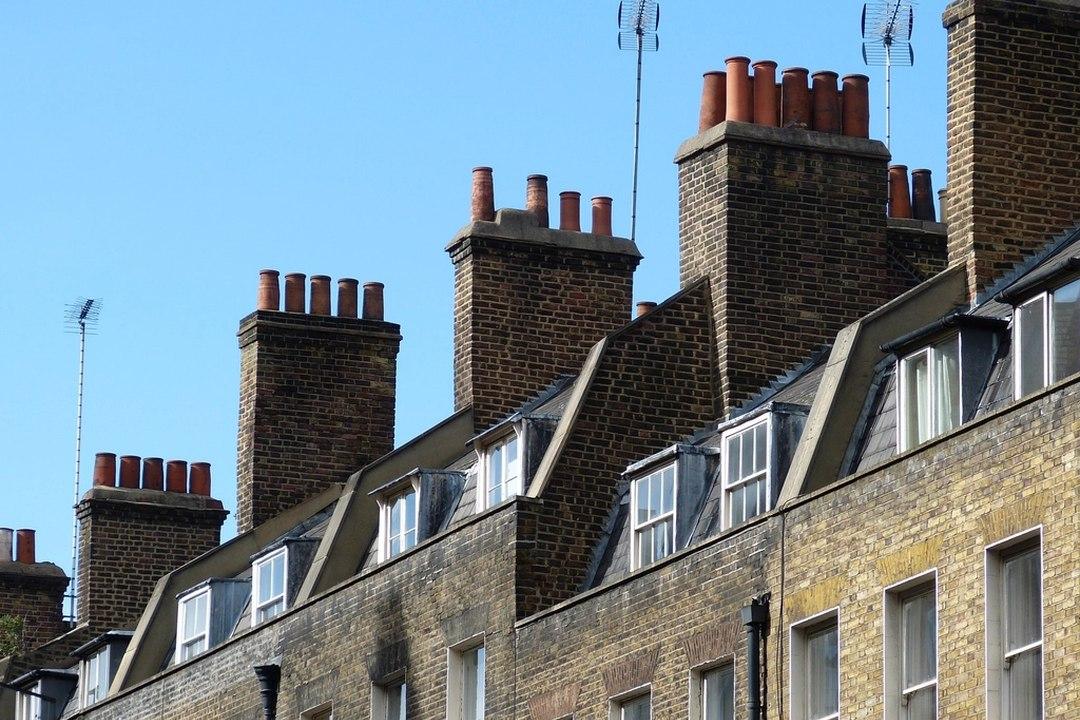
Nests do not wait for you to come back
An open flue on an empty house looks like a hollow tree to a bird. By the time an owner comes back to a weekend place in the foothills above Azusa, the flue can hold a season of twigs, feathers and droppings. Rain has had months to run straight down onto the damper. On a Santa Ana night, the same open top lets embers from a fire in the hills drop toward the roof. A cap closes all three doors at once, and on a house that sits empty it is the part that earns its price fastest.
This post covers what sets the price of a cap from Tolliver Chimney Works, and the questions worth asking before anyone climbs your roof.
What sets the cap price
Every cap we fit is quoted after we measure. Five things set the price:
- Flue size and shape. A round or small square flue takes a stock cap. A large or odd-sized clay flue takes a bigger one.
- How many flues. One cap per flue, or one wide cap over a crown that carries two or three flues.
- Material. Stainless steel holds up near the coast and in the valley heat alike. Copper costs more and is chosen for looks.
- Mesh. Fine mesh stops embers going out and birds coming in. On a house near brush, it is the part we would not leave off.
- Roof and height. Clay tile, a steep pitch or a two-story climb add time and care.
The simplest job is a single stainless cap on an easy roof. A wide multi-flue cap on a tall crown costs the most. Should the concrete under the cap show cracks, that crown work gets its own written quote; a shiny cap over broken concrete only buys a little time.
Send us one photo of the top of the chimney, taken from the yard or the street, and we can plan the visit. The cap itself is quoted after we measure.
A cap or a chase cover?
Not every chimney takes a cap in the same way. A brick or block chimney with a clay flue takes a cap that clamps to the tile or sits on the crown. A factory-built fireplace, the kind inside a wood or stucco box on the side of the house, has a metal chase cover across the top with the flue pipe passing through it. If that cover has rusted, the fix is a new chase cover, and that job is quoted in writing after we measure it. A cap on top of a rusted chase cover does nothing for the water pooling beside it. We see this often on houses built with a factory fireplace in a framed chase, where the top was painted once and then forgotten, and the rust shows only as a brown streak down the siding. Our chase cover page shows what that job covers.
What to ask before you hire
Cap work is quick, which is why it attracts quick quotes. Ask anyone, us included:
- Will you look down the flue before fitting the cap, and tell me what is in it?
- If there is a nest, is clearing it part of the price, or a sweep on top?
- Is the mesh fine enough to stop embers, and is it stainless?
- How is the cap fixed: screws into the tile, a clamp, or adhesive on the crown?
- Will I get a photo of the finished cap, since I am not there to see it?
The first question matters most on an empty house. A cap fitted over a nest seals the problem in. When we find debris, you get a photo and a price to clear it first: a sweep starts at $410. When the flue is clear, the cap goes on and you get a photo of the top.
Fitting the cap as part of a season visit
Many owners pair the cap with the $54 Level 1 look on the same trip. We check the firebox and damper, light the flue from below, and fit the cap from above, so the house is ready for the season and closed against the next one. If the look raises a question about the flue itself, the $385 Level 2 camera inspection answers it, and you decide on that before we go further. The cap installation page lists the cap types we fit.
When the house is in a fire zone
Houses along the foothills from Azusa toward Monrovia and the edge of the Angeles forest sit close to brush that burns in late summer and fall. A cap with fine mesh will not stop a wildfire, but it does keep one more ember path away from the roof, and it keeps your own fire's sparks out of dry brush when you light up on a windy night. If your insurer or HOA has asked for a spark arrestor, tell us when you book, and we will fit a cap that meets what they asked for and send a photo you can pass on.
Before you lock up again
A cap is the one part on a chimney that keeps working while you are away. When you want one fitted, or want to know what is in the flue before it goes on, ring Tolliver Chimney Works from the phone button here and tell us how the house is reached. Owners opening the whole house can read what a seasonal opening costs first.
Own a House That Sits Closed?
Tolliver checks the cap, crown, flue, damper and gas pilot before your first fire, and photographs each one for you. Visits run from Azusa to West Covina, Arcadia, Monrovia and the towns around them.