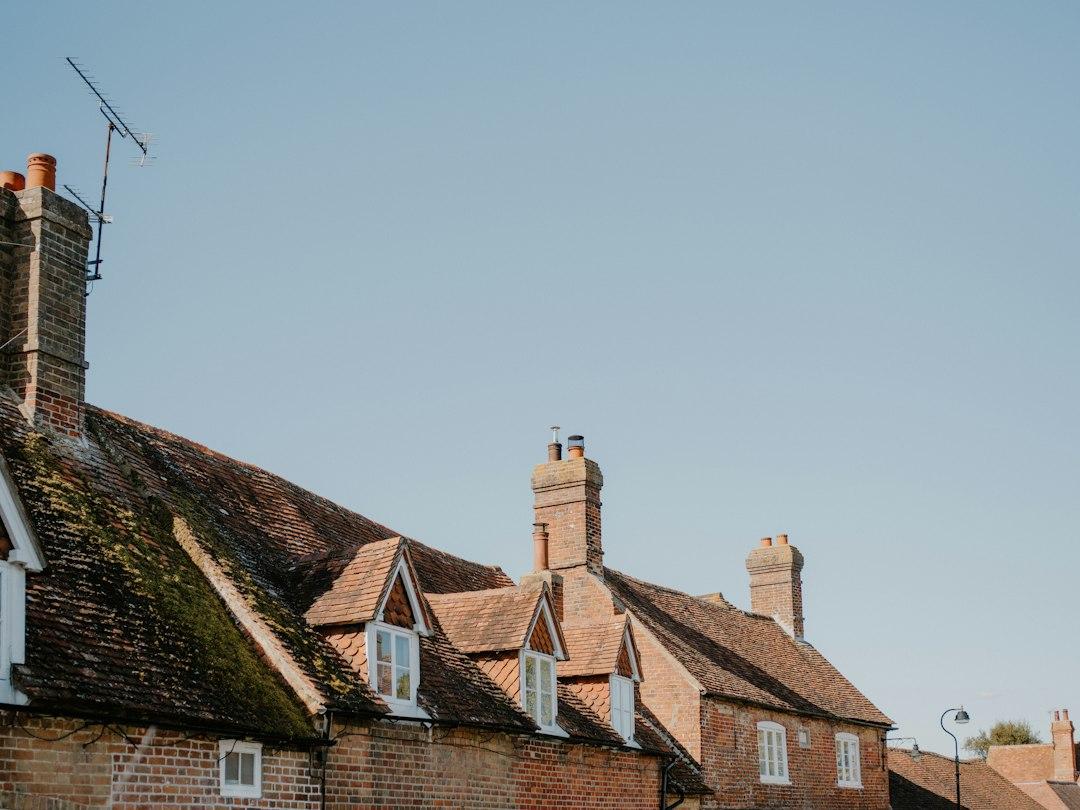
Closed since spring, lit in December
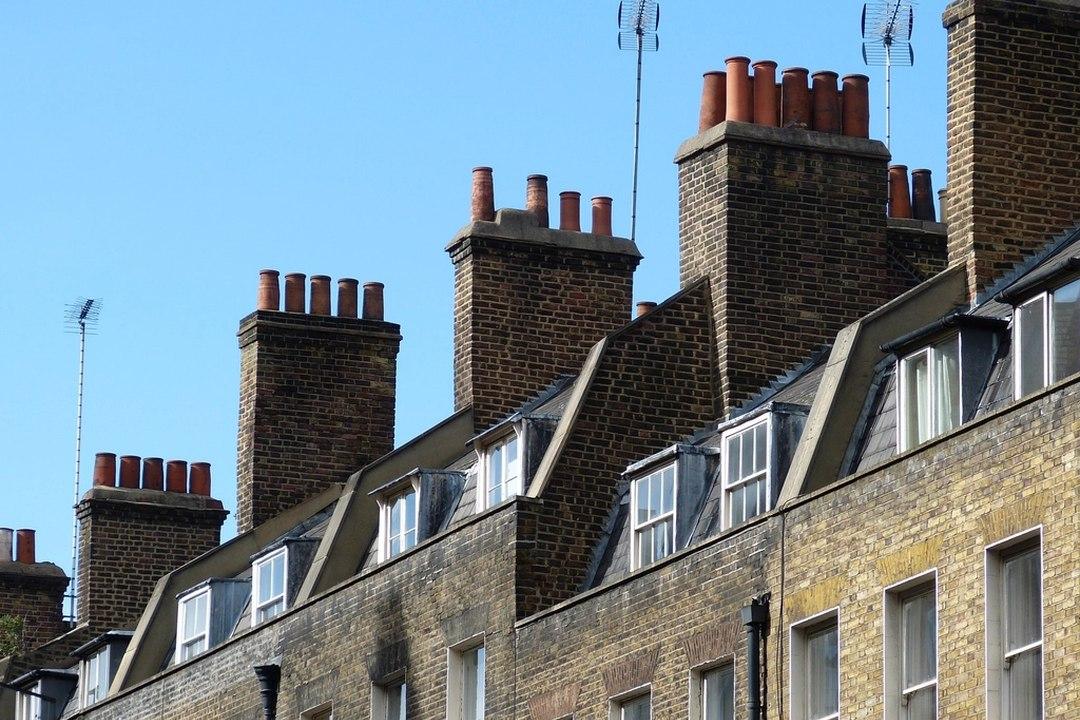
A house in Azusa that stays shut from spring to the cold months does not wear its chimney the way a lived-in house does. Nobody burns in it, so creosote does not pile up. What piles up instead is everything that moves in while the doors are locked: birds in the flue, wasps under the cap, leaves on the smoke shelf, rust on a damper nobody has opened since March. The bill for opening that chimney depends on which of those is waiting, and nobody knows until a light and a camera go up the flue.
This post sets out what Tolliver Chimney Works charges for the visits a seasonal house usually needs, what each one covers, and which jobs get a written quote instead of a set figure.
Four figures cover most opening visits
Our price list is short on purpose. These are the only figures we publish before we have seen the house:
| Visit or part | Price |
|---|---|
| Firebox, damper and visible flue look (Level 1) | $54 |
| Brushing one flue clean | from $410 |
| Camera through the whole flue, written report (Level 2) | $385 |
| Cap fitted over the flue | quoted on site |
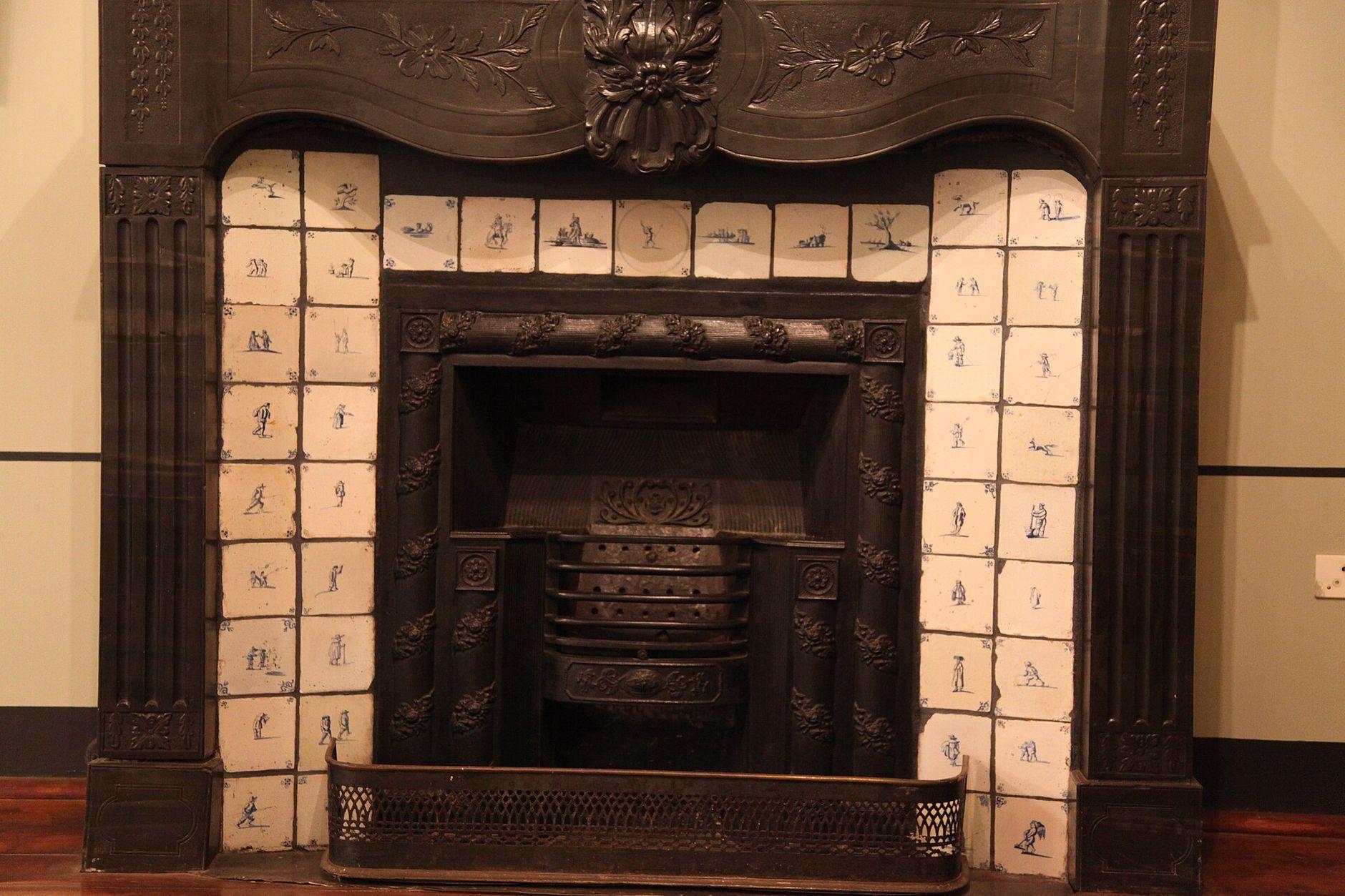
Most owners who close a house for months start with the $54 look. It answers one plain question: can this fireplace be used when the family arrives? We open and close the damper, check the firebox walls, look up the flue with a strong light, and check the cap. If the answer is yes, you are set for the season. If it is no, you know exactly what stands in the way and what it costs to clear. The chimney inspection page lists what each level includes.
When the look turns into a sweep
A flue that was cleaned before the house closed and has not been used since rarely needs cleaning again. The sweep price comes in when the look finds something in the way: a nest, a pile of debris on the smoke shelf, or soot from last winter that nobody had cleaned out before everyone left. A sweep starts at $410 for one flue. A second flue in the same house, a large nest, or a stove pipe that has to come apart adds to that, and we tell you the amount before the brushes go up.
Owners sometimes ask whether the sweep can be skipped if the fire will be small. The size of the fire does not change what is sitting in the flue. A nest of dry twigs above a fire is fuel, and a blocked flue pushes smoke and carbon monoxide into a room that may have sat sealed since spring.
When a Level 2 is the right visit
The $385 camera inspection is for a house where something has changed. Three cases come up again and again with seasonal owners:
- The house was just bought, and nobody knows how the chimney was used before.
- The fireplace has been switched, or is about to be, to gas logs or an insert.
- A quake or a chimney fire has happened since anyone last looked inside the flue.
Each of those cases is one where NFPA 211 points to a Level 2. The camera travels the full length of the flue and shows cracked tiles, open joints and damage a light from below cannot reach. You receive a written report with photos, and it stays with the house papers. Our Level 2 page shows what the report holds.
What sets the price of the fix
A set price list stops at the inspection. Once the look or the camera has shown what is there, the price of any repair depends on a handful of things:
- Roof and height. A single-story house with a low roof is quicker to work on than a two-story house with clay tile.
- Number of flues. Some houses run a fireplace flue and a furnace or water heater flue side by side, and each one is checked.
- What the problem is. A missing cap is one part and a short climb. A cracked flue tile starts a liner conversation.
- Access. A locked side gate, a dog in the yard, or nobody on site to open the door all change how the visit runs.
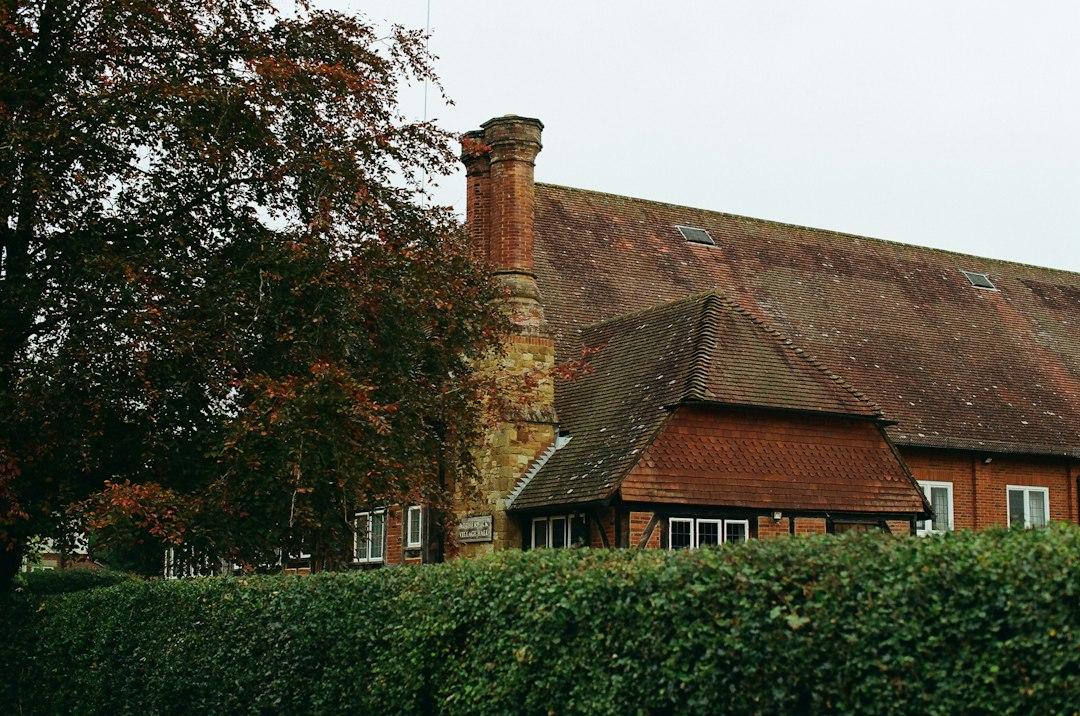
Caps are quoted after we measure, because caps differ. A small stainless cap on one flue is the simplest job, and a wide cap over several flues on a large crown costs the most. Your flue, the metal and the crown set the price. Liner work, crown repair and damper replacement are quoted in writing after we have seen them, because two chimneys with the same symptom can need very different work.
If you are away from the house, send us photos of the firebox, the damper and the top of the chimney with the date the house will be open. We will tell you which visit fits and what it costs before anyone drives out.
A visit with nobody home
Plenty of the seasonal houses we visit around Azusa, Monrovia and Arcadia have no one there on the day. That works. A neighbor, a property manager or a lockbox code is enough to get us in. The report goes to whoever you name: you, a co-owner, or the renter arriving next. Photos show the firebox, the damper, the flue and the cap, so you can see what we saw from wherever you are. If the house has a gas fireplace that has been off since spring, read our note on pilots left off for months before you book, since that visit covers different parts.
Four answers to have ready
- When was the fireplace last used, and was it cleaned after?
- Can you see a cap on the chimney from the street?
- Is the fireplace wood-burning, gas logs, or an insert?
- Who lets us in, and who gets the report?
With those answers the booking is short. When you are ready to open the house, call Tolliver Chimney Works with the phone button on this page, give us the address and the weekend you plan to arrive, and we will put the right visit first on the list.
Own a House That Sits Closed?
Tolliver checks the cap, crown, flue, damper and gas pilot before your first fire, and photographs each one for you. Visits run from Azusa to West Covina, Arcadia, Monrovia and the towns around them.