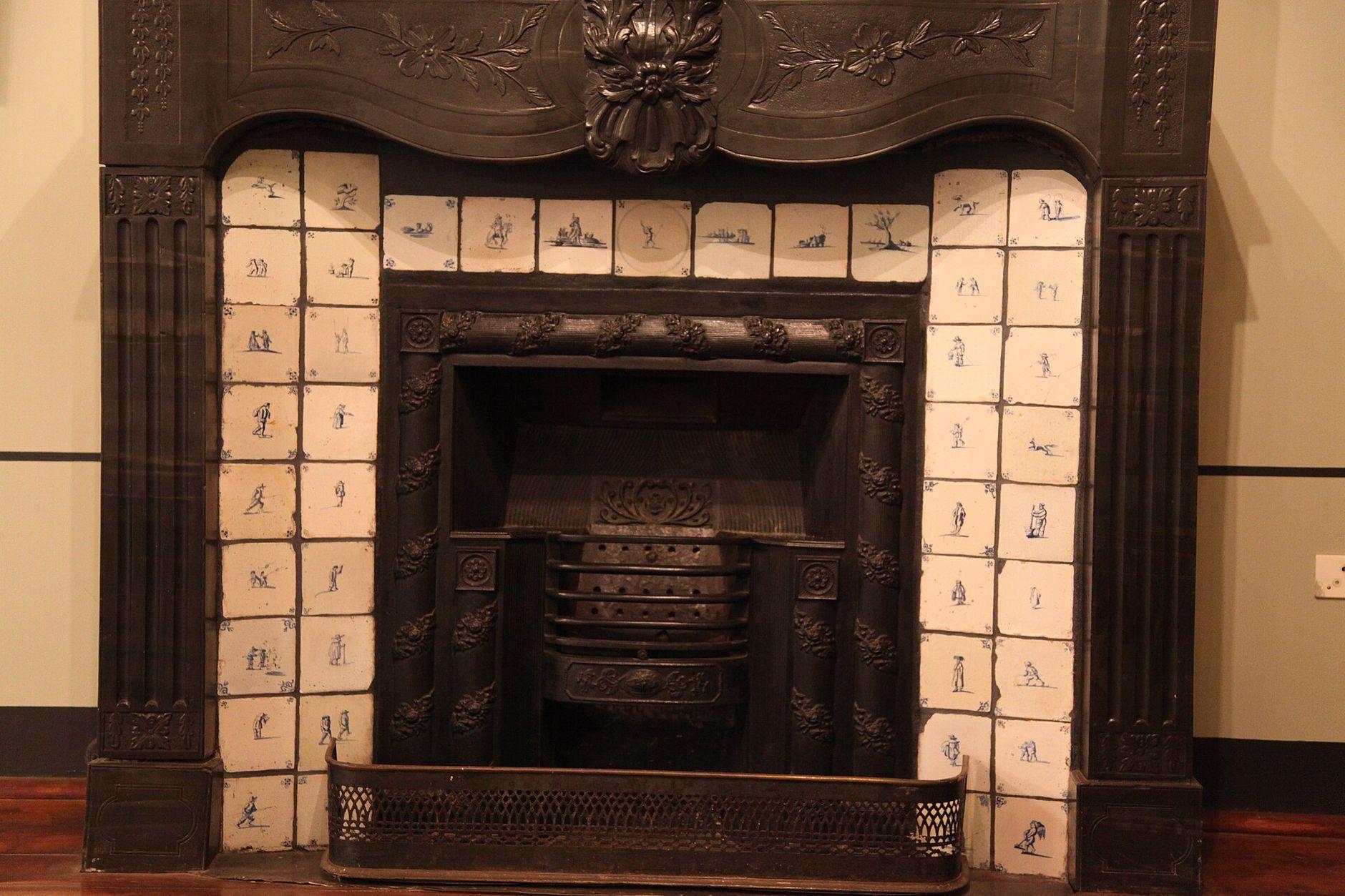
Spiders like a quiet pilot
A gas fireplace in a house that sits empty for half the year is often switched off at the valve, pilot and all. That saves gas, and it is a reasonable choice. The catch is what happens inside while it sits. Spiders build in the pilot tube and the burner ports. Dust settles on the logs and the glass. A thermocouple that worked fine in March can stop holding the pilot in November. And on a direct-vent unit, the cap on the outside wall is the kind of quiet, warm spot birds and wasps choose.
When owners in Azusa and the nearby foothill towns come back and the fireplace clicks but will not stay lit, or lights with a lazy yellow flame, that is usually the reason. This post covers what a gas fireplace service from Tolliver Chimney Works checks after a long shutdown, what decides the cost, and when the better money goes into a new insert.
What the service visit covers
A gas fireplace service is not the same visit as a wood-burning sweep. It is about the parts that make the flame safe:
- Pilot and burner. We clear webs and dust from the pilot tube and burner ports, so the flame burns blue and steady.
- Thermocouple or thermopile. We test the part that tells the valve the pilot is lit. A weak one is the most common reason a pilot will not hold.
- Logs and media. We lift the logs, clean them and set them back where the maker placed them. Misplaced logs make soot.
- Glass and gasket. On sealed units we clean the glass and look at the gasket, because a torn gasket lets combustion air into the room.
- Venting. We follow the vent to its outside cap and check it is clear and fixed, and check the chimney flue where logs sit in a masonry fireplace.
We ask owners not to relight a pilot that has been off for months before the visit. If you smell gas when you arrive, keep the valve closed and call the gas company first; we come after they have cleared it.
What sets the cost
Gas fireplace service is quoted in writing, because units vary more than chimneys do. The quote depends on:
- The type of unit. Gas logs set in an old masonry fireplace, a sealed direct-vent insert, and a vent-free unit each have different parts and checks.
- Parts. A thermocouple, a pilot assembly or a glass gasket adds a part price to the visit. We tell you before we order.
- Access. A unit with a remote receiver behind a fixed panel, or a vent cap two stories up, takes longer.
- Age. On older units, some parts are no longer made, and the conversation turns to replacement.
The venting side has a published figure. If we need to look at the chimney that the gas logs vent into, the Level 1 look is $54, and a full camera run of the flue is $385.
Before you book, send a photo of the rating plate. It usually sits behind the lower grille or under the firebox. With the make and model we can tell you which parts are likely and quote the visit in writing.
Service or a new insert?
A tired gas fireplace can often be brought back with cleaning and one or two parts. Sometimes it should not be. Three signs point toward replacing it:
- The unit is old enough that its pilot assembly or valve is no longer stocked.
- The firebox or burner tray has rusted through, often from rain that came down an uncapped chimney while the house sat empty.
- You want heat from it, not just a flame to look at, and the old logs send most of the warmth up the flue.
A gas insert fitted into an existing fireplace from Tolliver Chimney Works runs $2,750 to $5,500. The range follows the size of the firebox, the insert chosen and the venting it needs. Most inserts vent through a liner run up the old flue, and the liner work is set out in the written quote. Replacing also means the new insert's pilot and valve come with fresh parts, which matters on a unit that will sit unused for months at a stretch. If you are weighing the two, we will price the service and the insert side by side so you can decide with both numbers in hand. Our gas fireplace cleaning page and the fireplace inserts page show what each job covers.
Booking with nobody home
The gas side of a seasonal house is a good job to finish before anyone arrives. If a property manager or neighbor can open the house and the gas is on at the meter, we can service the unit and leave it ready to light. You get photos of the burner and pilot, a note of any part we fitted, and a plain line saying whether the unit is fit to use. If a part has to be ordered, the note says which one, what it costs, and that the valve stays off until it is fitted, so whoever arrives first at the house knows not to try the switch. Owners who rent the house out between their own stays often book it with the Level 1 look between tenants.
Ready for the first cold night
Gas fireplaces are easy to forget until the first evening you want one. To get yours serviced before then, call Tolliver Chimney Works from the phone link on this page with the make of the unit and how we reach the house in Azusa or nearby.
Own a House That Sits Closed?
Tolliver checks the cap, crown, flue, damper and gas pilot before your first fire, and photographs each one for you. Visits run from Azusa to West Covina, Arcadia, Monrovia and the towns around them.