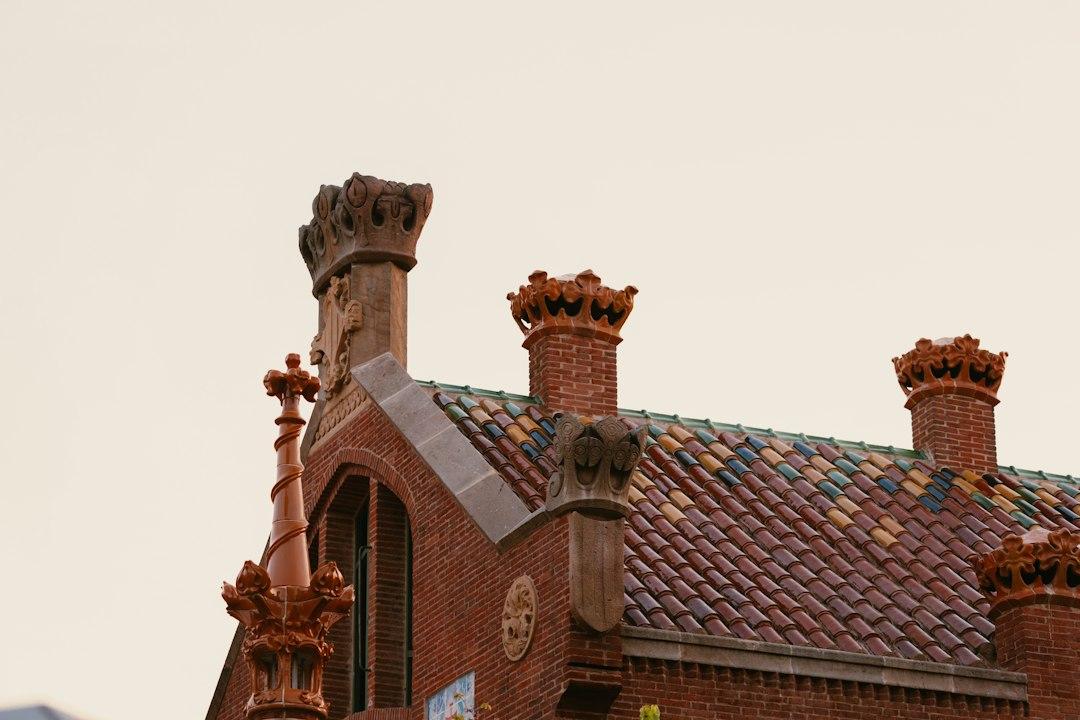
The stain shows up after the damage
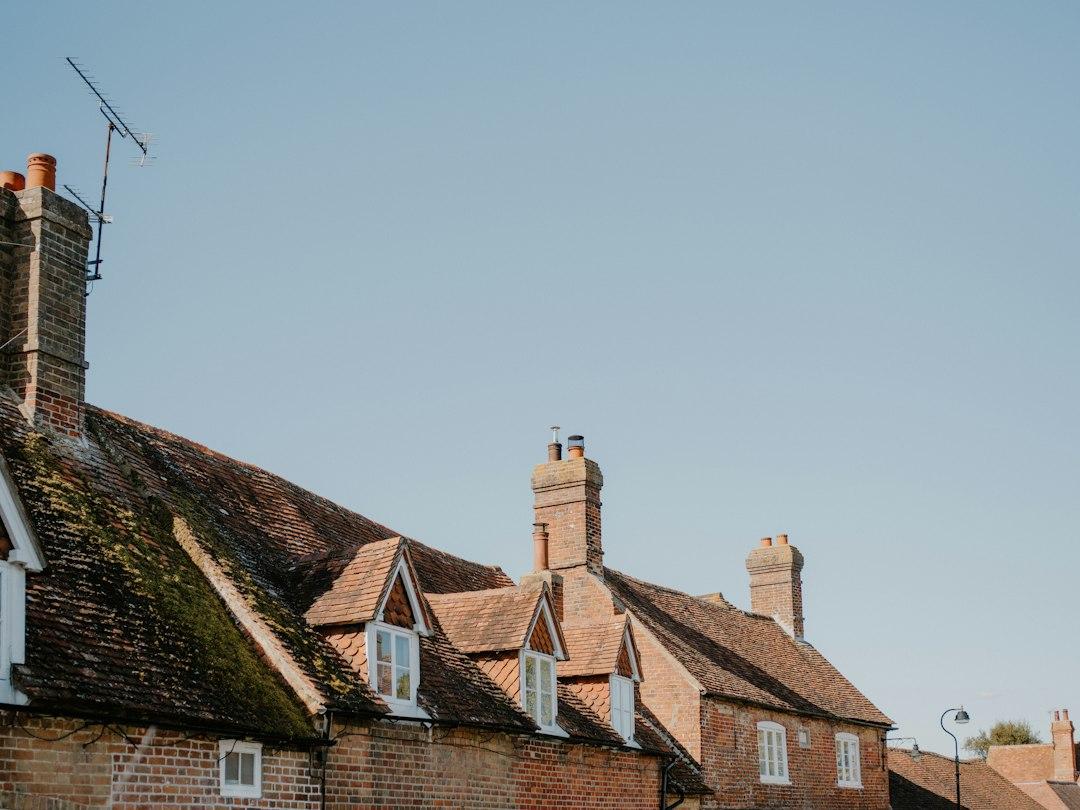
In a house someone lives in, a chimney leak gets noticed at the first drip. In a house that sits empty through the winter rains, it runs for weeks. By the time the owner opens the door in Azusa, the stain on the ceiling beside the chimney is dry, the paint has bubbled, and the wood behind it has been wet more than once. Water that gets into a chimney does not stay in one place. It rusts the damper, softens the mortar, and finds the framing beside the stack.
This post covers the leak work Tolliver Chimney Works prices, what decides where a job lands, which fixes are quoted in writing, and what to ask whoever you hire.
Where chimney water comes from
Most chimney leaks come in at one of five places:
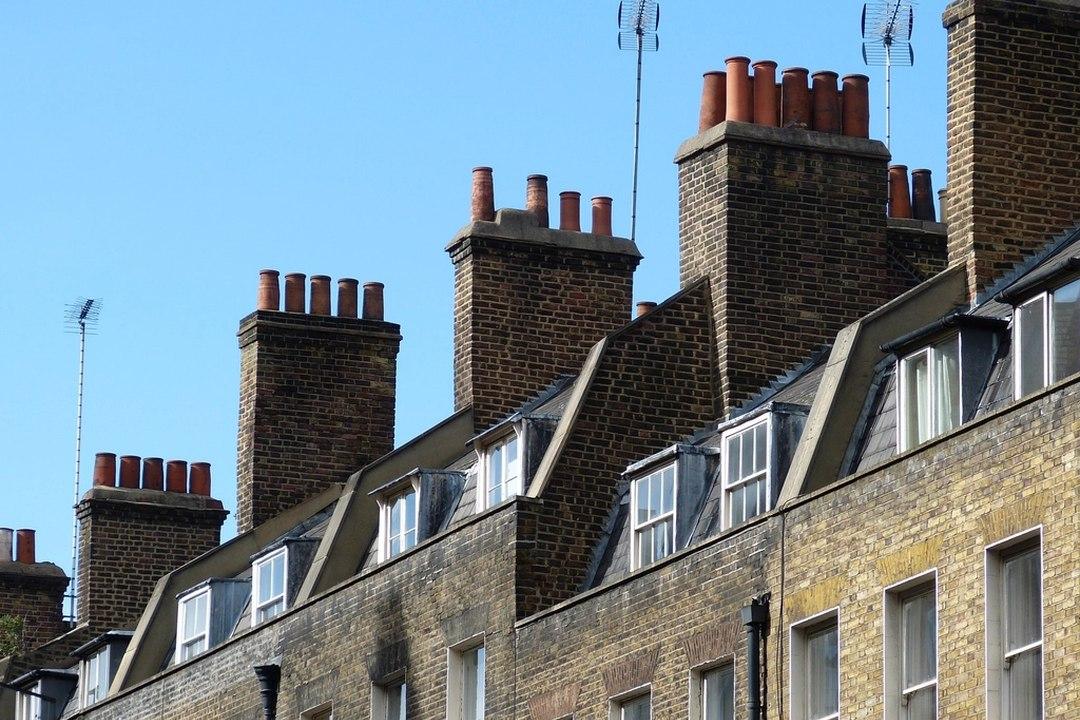
- The crown. The concrete top of a masonry chimney cracks with sun and age, and rain runs into the brick below.
- The flashing. The metal seal where the chimney meets the roof lifts, rusts or was sealed with caulk alone.
- The uphill side. A wide chimney on a sloped roof catches water and leaves on its high side, and it pools there.
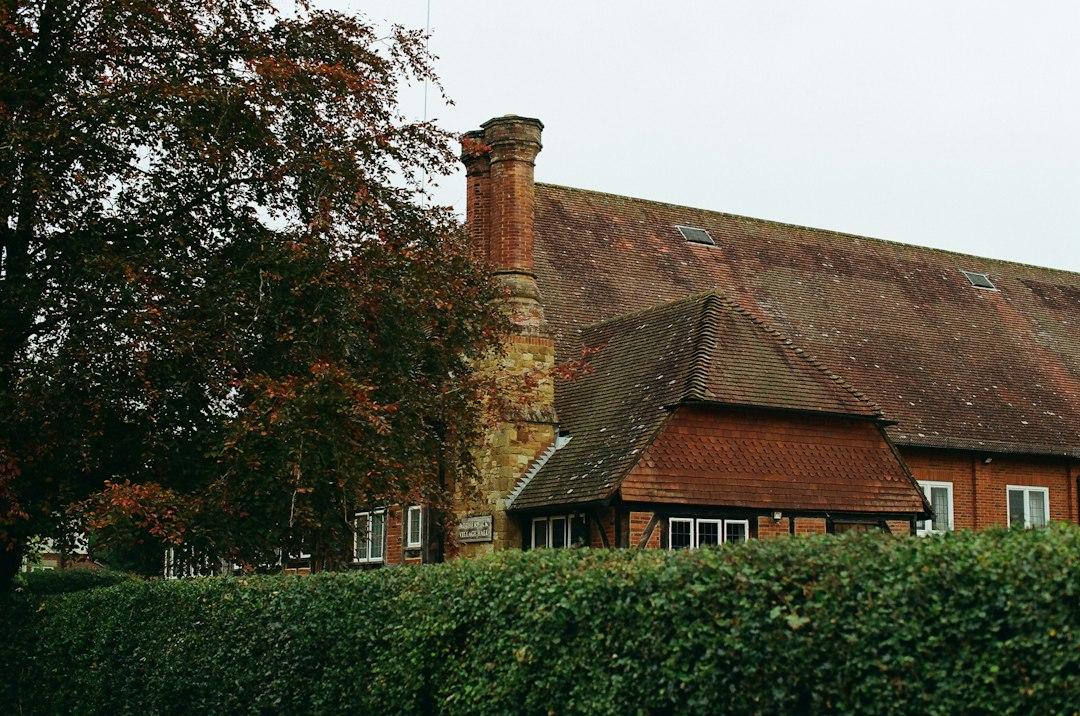
- The brick and mortar. Old brick and open joints soak up water like a sponge.
- The top of the flue. No cap, or a rusted chase cover on a factory-built chimney, lets rain straight down.
Finding which one is leaking is the first part of the job. A leak that shows inside often comes in a few feet away from where the stain appears.
What leak work costs
Here is what we charge, in the order we usually meet them:
| Leak work | Price |
|---|---|
| Tracing the leak and sealing it at the source | $550 to $3,300 |
| A cricket to split water around the uphill side | $440 to $995 |
| A cricket together with new flashing on every side | $660 to $1,650 |
| A cap over an open flue | quoted after we measure |
Leak repair prices sit far apart because the work behind them varies so much. The simplest job is a short run of flashing resealed and a few joints repointed. The biggest job is new step and counter flashing on a large chimney, with repointing and a water-repellent coat on the brick. Crickets are priced on the chimney's width and the roof covering.
Three jobs are quoted in writing after we see them: crown repair, a new chase cover, and waterproofing on its own. Each depends on size and condition, and a photo from the ground rarely shows enough.
Send us two photos, one of the stain inside and one of the chimney top from outside, and tell us when the house will be open. We will say which of these jobs it looks like before we come out.
Why an empty house changes the order
When nobody is home, we tend to fix the leak and protect what is under it in the same visit. A rusted damper or a soaked smoke shelf that has been wet all season is checked while we are there. If the leak has run long enough to raise questions about the flue or the framing, a Level 2 camera inspection at $385 shows what the water reached. You decide on that before we go further.
Winter is the season this matters most. Rain here arrives in a handful of heavy storms, and a house that sat dry all summer can take in a lot of water in one of them. Owners in Monrovia and Arcadia often book leak work in fall, before the rain, after a summer visit showed a stain.
What we look at on a leak visit
A leak visit starts on the roof and ends in the attic or the room where the stain is. On top, we look at the crown for cracks, the cap or chase cover for rust and gaps, and the flashing at every side of the chimney. We check the mortar joints and the face of the brick for spalling, where the surface flakes away after soaking. Inside, we look at the damper and smoke shelf for rust and standing water, and where the attic can be reached, at the framing beside the chimney for dark wood or soft spots. Each finding goes into a short written report with a photo and a plain note: where the water comes in, what the fix is, and what it costs, or that it will be quoted in writing. You get that report whether or not you go ahead.
What to ask before you hire
- Will you trace where the water is coming in, or only seal where the stain shows?
- Is the flashing fix new metal, or caulk over the old?
- Is a cricket needed on my chimney's width, and why?
- What is in the price, and what would be quoted in writing on top?
- Will you send photos of the finished work, since I am not there?
The first question matters most. Caulk over a stain stops one storm. Fixing the source stops the leak. Our chimney leak repair page, the crown repair page and the waterproofing page show what each job includes.
After the rain season
A house nobody watches needs a chimney that does not need watching. To get a leak traced and fixed before the next storm, phone Tolliver Chimney Works through the call button on this page, say where the stain is, and tell us who can open the house. Owners getting a weekend house ready should also see what sets the price of a cap.
Own a House That Sits Closed?
Tolliver checks the cap, crown, flue, damper and gas pilot before your first fire, and photographs each one for you. Visits run from Azusa to West Covina, Arcadia, Monrovia and the towns around them.